How to Achieve Perfect Deck Installation in Douglas County
Master Your Deck Installation Today
A proper deck in Douglas County needs planning, local-code know-how, and material choices that suit the climate. This guide covers decking materials, required permits, and maintenance tips to keep your deck in top condition. Homeowners often struggle with material selection and permits — the right information makes the process smoother. Here you’ll learn the best materials for Colorado’s climate, permit steps, and maintenance strategies so you can build a durable, attractive outdoor space.
Decking Materials
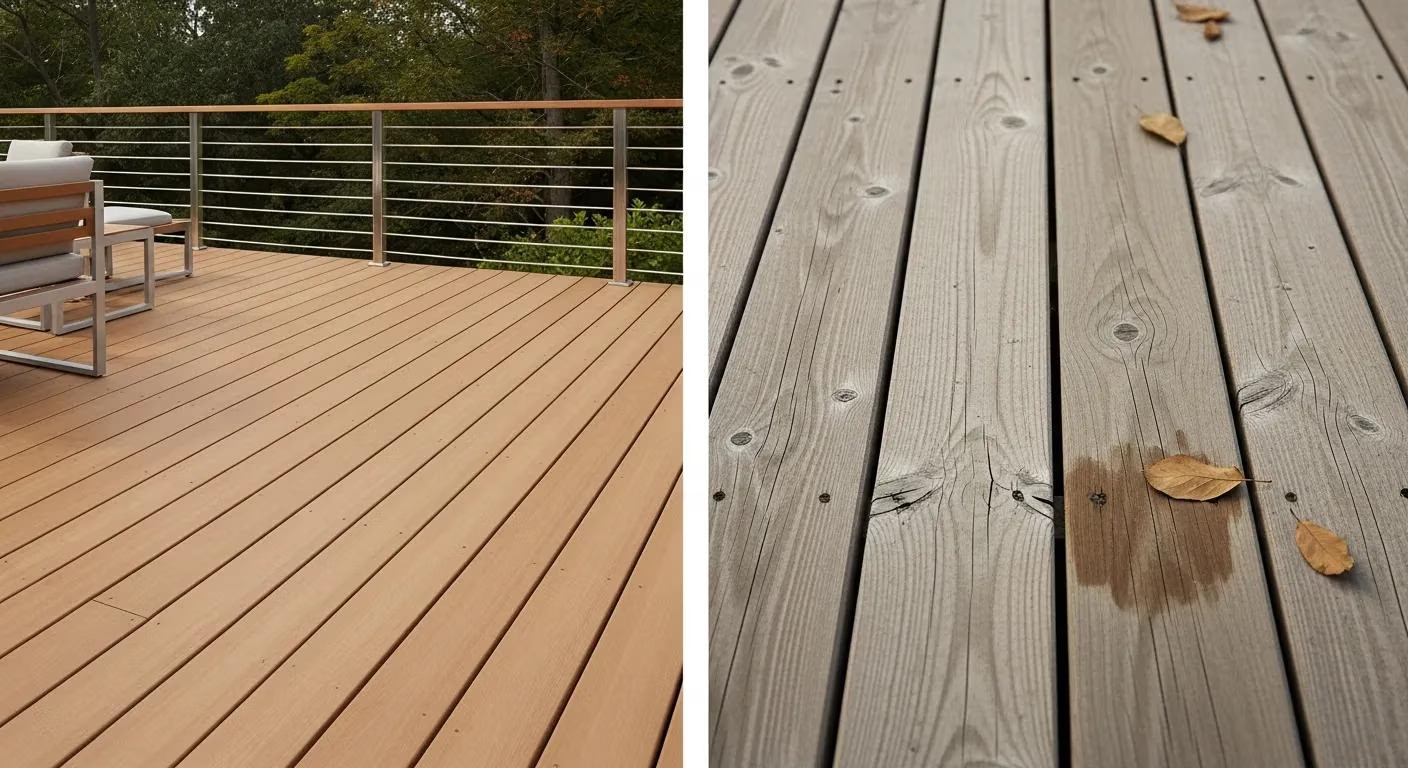
Choosing materials affects how long your deck lasts and how it looks. In Douglas County, you can choose composite, pressure-treated wood, or aluminum panels. Each option has trade-offs, so match the material to your budget, maintenance tolerance, and style.
What Are the Best Decking Materials for Colorado's Climate?
The best decking materials for Colorado’s climate include:
- Composite Decking: This material is resistant to fading, scratching, and mold, making it ideal for the variable weather conditions in Colorado.
- Pressure-Treated Wood: Known for its affordability and natural appearance, pressure-treated wood is a popular choice, though it requires regular maintenance to prevent rot and warping.
- Aluminum Deck Panels: These panels are lightweight, durable, and resistant to rust, making them an excellent option for homeowners looking for longevity.
Which Decking Materials Withstand Douglas County Weather Best?
Douglas County sees big temperature swings and strong UV exposure. The most durable choices are:
- Composite Decking: Its resistance to moisture and UV damage makes it a top choice for longevity.
- Aluminum Deck Panels: These panels can withstand extreme temperatures and are impervious to water damage.
- Pressure-Treated Wood: While it requires maintenance, when properly treated it can endure the local climate effectively.
Permits
Before you start, learn the local permit requirements. Douglas County requires specific permits to meet building codes and safety rules.
How to Navigate Deck Installation Permits and Regulations in Douglas County?
Navigating the permit process involves several steps:
- Research Local Codes: Familiarize yourself with the building codes specific to Douglas County to ensure your project meets all requirements.
- Consult with Experts: Consider hiring a local contractor who understands the permit process and can guide you through it.
- Submit Applications: Prepare and submit the necessary applications to the local building department, including detailed plans of your proposed deck.
What Permits Are Required for Deck Installation Locally?
The following permits are typically required for deck installation in Douglas County:
- Building Permit: Required for any new construction or significant modifications.
- Electrical Permit: Necessary if you plan to install lighting or electrical features on your deck.
- Zoning Permit: Ensures that your deck complies with local zoning laws regarding property lines and height restrictions.
Maintenance Tips
Maintaining your deck protects its lifespan and appearance. Regular care avoids costly repairs and keeps the space welcoming.
How to Maintain and Enhance Your Deck for Longevity in Colorado?
To keep your deck in top condition, consider the following maintenance tips:
- Regular Cleaning: Sweep and wash your deck regularly to remove dirt and debris.
- Sealing Recommendations: Apply a sealant every few years to protect wood from moisture and UV damage.
- Seasonal Inspections: Check for signs of wear or damage, especially after harsh weather conditions.
What Are Recommended Deck Maintenance Tips for Colorado Homeowners?
Colorado homeowners should focus on these specific maintenance practices:
- Routine Cleaning: Use a gentle cleaner to avoid damaging the surface of composite or wood decks.
- Winter Preparation: Clear snow and ice promptly to prevent moisture buildup and potential damage.
- Inspection Tips: Look for loose boards, rusted nails, or signs of rot, and address these issues immediately.
How Can Outdoor Gear Improve Deck Functionality and Comfort?
Beyond structure, outdoor gear boosts your deck’s comfort and function. Colorado Elite Outdoor offers seating and weather‑resistant accessories that complement your space. Quality gear improves usability and the deck’s visual appeal.
Frequently Asked Questions
What are the benefits of using composite decking over wood?
Composite decking resists fading, scratches, and mold, so it’s well-suited to variable weather. It doesn’t need regular staining or sealing, lowering upkeep and cost. Many composite products use recycled materials, making them a greener choice. Its durability and low maintenance make it a common choice for homeowners wanting a long‑lasting deck.
How do I choose the right contractor for my deck installation?
Research local contractors with deck experience and good reviews. Ask for references and review their portfolio. Confirm they’re licensed and insured. Discuss timelines, budget, and details so they understand your goals and can deliver accordingly.
What should I consider when planning the layout of my deck?
Consider yard size, intended use, and how the deck will connect to your home. Plan traffic flow and leave room for furniture. Note the sun’s path to get desired shade or sunlight. Finally, check zoning rules for height and placement limits.
Are there any eco-friendly decking options available?
Yes. Composite decking made from recycled materials is a sustainable choice. Some manufacturers offer decking from sustainably sourced wood or bamboo, a rapidly renewable option. Look for certifications like FSC to confirm responsible sourcing. Eco-friendly choices help the environment and can enhance your deck’s look.
How can I enhance the safety of my deck?
Make railings the correct height and ensure they’re sturdy. Use non-slip surfaces to reduce slip risk when wet. Inspect for loose boards, protruding nails, or rot and repair issues promptly. Adding outdoor lighting also improves evening visibility and safety.
What are the common mistakes to avoid during deck installation?
Common mistakes include poor planning, failing to check building codes or obtain permits, choosing unsuitable materials for the climate, and using improper installation techniques like insufficient support or poor drainage. Avoid these by researching, consulting professionals, and following best practices throughout the project.
Conclusion
A well-installed deck in Douglas County improves your outdoor space, lasts longer, and meets local rules. Learn the best materials, follow the permit steps, and use solid maintenance to build a durable, attractive deck for Colorado’s climate. Explore our resources and connect with local professionals to begin transforming your outdoor living area.