Trex vs Wood: Which Material Lasts Longer?
Trex vs Wood: Durability Showdown
Durability is a top concern for homeowners choosing decking. Trex composite and traditional wood differ in lifespan and maintenance. This article compares lifespan, upkeep, and how Colorado’s climate affects performance so you can choose the best fit for your outdoor space.
How Does Trex Decking Durability Compare to Wood Decking?
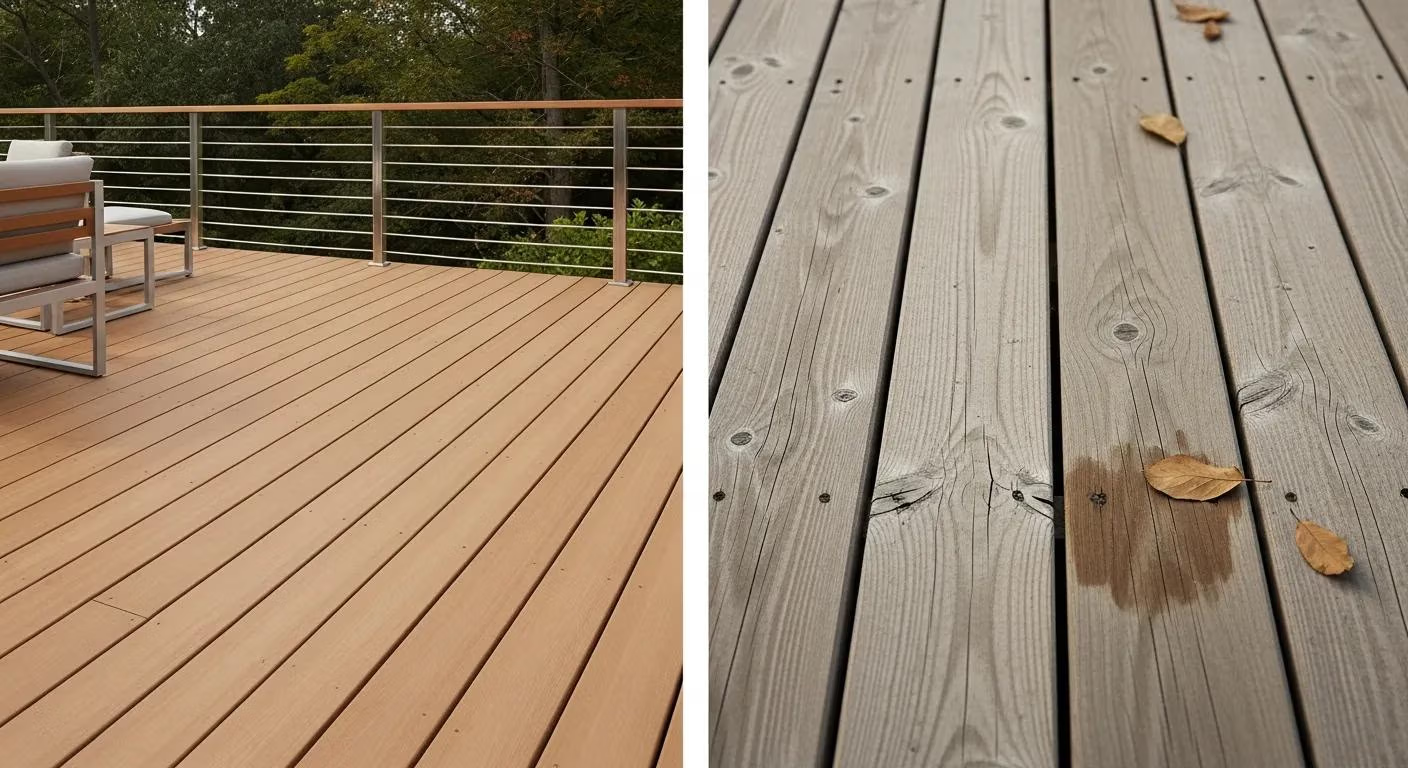
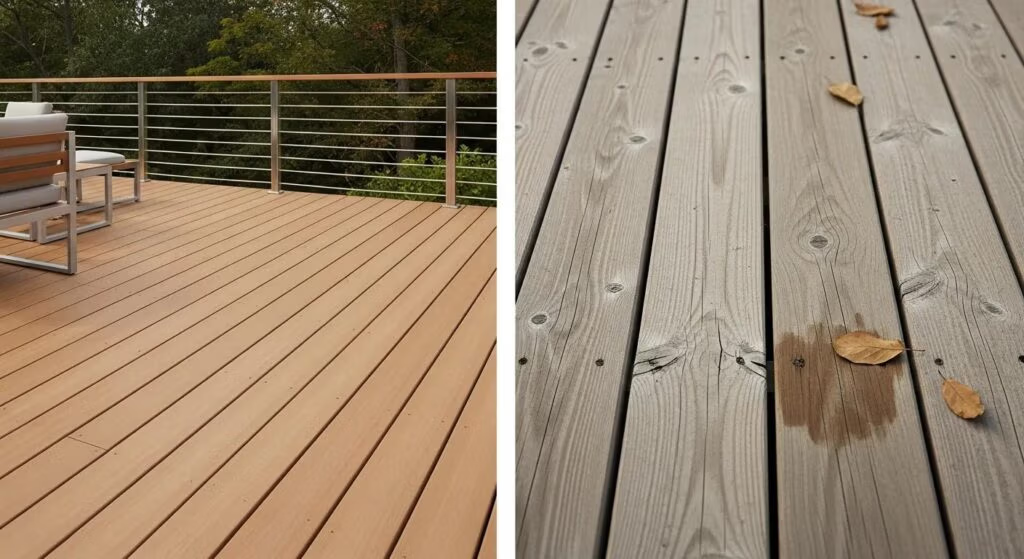
Trex is engineered to resist the elements better than most wood. Made from recycled wood and plastic, it resists rot, splintering and insect damage—common problems for wood. Wood offers natural beauty but needs regular upkeep to avoid deterioration. Many homeowners find Trex retains appearance and structure longer, making it a lower‑maintenance option.
Industry trends show a rising preference for composite decking over traditional wood, driven by consumer demand and improved material performance.
Residential Decking Trends: Wood vs. Composite Longevity
Common deck surface materials include treated wood, naturally durable species and wood–plastic composites (WPC). Over the past decade, treated wood has maintained market share while naturally durable species have declined. WPCs entered the market in the early 1990s and have grown rapidly, a trend expected to continue. Most decks today are framed with treated lumber, though concerns about treated wood framing have opened the market to alternatives.
Material trends in residential decking, 2012
What Are the Lifespan Expectations for Trex Composite Decking?
Trex typically lasts 25–30 years, outlasting many wood options. Warranties often extend up to 25 years, reflecting manufacturer confidence. Users report minimal fading and wear compared with wood, which tends to show age sooner.
How Long Does Wood Decking Typically Last with Maintenance?
With proper care, wood decks last about 15–30 years, depending on species and upkeep. Regular sealing, staining and cleaning help, but wood remains prone to warping and cracking—especially in harsh climates—so its lifespan is less predictable than Trex.
What Maintenance Is Required for Trex vs Wood Decking?
Trex is easy to maintain—periodic soap‑and‑water cleaning removes dirt and debris. Wood requires heavier upkeep, including regular sealing and staining to protect against moisture and UV. That extra maintenance can be a drawback if you want a hassle‑free deck.
How Does Trex Decking Reduce Maintenance Needs?
Trex cuts maintenance because it resists rot and insect damage and doesn’t need staining or sealing. That saves time and money over the years and appeals to homeowners who prefer using their deck instead of maintaining it.
What Are Effective Wood Decking Maintenance Practices?
To prolong a wood deck, adopt these maintenance steps:
- Regular Cleaning : Sweep and wash the deck periodically to prevent dirt buildup.
- Sealing : Apply a high-quality sealant every 1-3 years to protect against moisture.
- Inspection : Conduct seasonal inspections for signs of damage or wear, and address issues promptly.
These steps extend a wood deck’s life but require regular commitment.
How Does the Colorado Climate Affect Trex and Wood Decking Lifespan?
Colorado’s high UV levels and wide temperature swings can shorten the life of both Trex and wood. Trex’s UV resistance helps it keep color and structural integrity under strong sun. Wood can fade and deteriorate faster in similar conditions, requiring more repairs and upkeep.
What Climate Factors Impact Decking Durability in Colorado?
Key climate factors that affect decks in Colorado:
- UV Exposure : High levels of sunlight can cause fading and degradation in wood.
- Temperature Fluctuations : Extreme temperature changes can lead to warping and cracking in wood.
- Moisture Levels : Snow and rain can promote rot in wood if not properly sealed.
Knowing these factors helps you pick the right material for your site.
Which Decking Material Performs Better in Colorado’s Environment?
In Colorado, Trex generally outperforms wood. Its composite construction resists UV damage and moisture, making it more reliable. Many users report Trex keeps its look and function longer than wood under local weather conditions.
What Are the Cost and Environmental Impacts of Trex vs Wood Decking?
Compare both upfront and long‑term costs. Trex usually has a higher initial price than wood, but its longer lifespan and low maintenance can lower lifetime expenses. Trex is made from recycled materials, which reduces environmental impact compared with traditional wood that can drive deforestation.
How Do Initial and Long-Term Costs Compare Between Trex and Wood?
Trex initially costs about $2.50–$5.00 per sq. ft.; wood ranges roughly $1.50–$4.00 per sq. ft., depending on species. When you factor in maintenance, Trex often proves more economical over time due to its durability and minimal upkeep.
Further studies compare these materials across additional factors beyond cost alone.
WPC vs. Treated Lumber Decking Comparison
This assessment compared ACQ‑treated lumber to wood‑plastic composite (WPC) decking, using primary wood preservative treatment data to evaluate impacts.
Life cycle assessment of ACQ-treated lumber with comparison to wood plastic composite decking, 2011
Trex vs Wood Decking: Environmental Advantages
Choosing Trex over natural wood offers several environmental benefits:
- Sustainability : Trex is made from recycled materials, reducing waste and conserving natural resources.
- Reduced Deforestation : Using composite materials helps lessen the demand for timber, preserving forests.
- Longevity : The longer lifespan of Trex means less frequent replacement, further reducing environmental impact.
Taken together, these points make Trex attractive to eco‑minded homeowners.
However, some argue natural wood still offers unique benefits in sustainability and comfort despite its maintenance needs.
Real Wood vs. Composite Decking: Durability & Practicality
Some sources note that while composite decking provides similar structural durability, real wood can be more sustainable, comfortable and practical in certain respects. Wood may offer better thermal properties and, in some assessments, a lower carbon footprint.
Real Wood vs. Composite Decking: Why is wood best?
| Material Type | Initial Cost (per sq. ft.) | Lifespan | Maintenance Frequency | Environmental Impact |
|---|---|---|---|---|
| Trex | $2.50 – $5.00 | 25-30 years | Low | High (recycled materials) |
| Wood | $1.50 – $4.00 | 15-30 years | High | Moderate (deforestation risk) |
This comparison highlights Trex’s long‑term value and environmental advantages over traditional wood.
Both Trex and wood have merits, but Trex offers greater durability, lower maintenance and stronger sustainability—especially in challenging climates like Colorado. Compare lifespan, upkeep and environmental impact to choose what fits your outdoor living needs.
Frequently Asked Questions
What are the key differences in installation between Trex and wood decking?
Trex installation uses specialized fasteners and techniques to allow for expansion and contraction. Wood can be installed with standard nails or screws, so it’s often easier for DIYers. Proper Trex installation can reduce long‑term issues like warping, so many homeowners hire professionals for best results.
How does Trex decking perform in extreme weather conditions?
Trex handles heavy rain, snow and strong sun. It resists moisture, reducing rot and mold, and its UV protection helps retain color. Wood can warp, crack or fade under the same stresses and requires more maintenance. In harsh climates, homeowners often find Trex more reliable.
Can Trex decking be painted or stained like wood?
Trex isn’t meant to be painted or stained; its color is integrated during manufacture, so it keeps its look without extra treatments. Wood can be painted or stained for different aesthetics or protection, but that adds ongoing maintenance.
What are the fire resistance ratings for Trex and wood decking?
Trex carries a Class B fire rating, offering moderate resistance to flame exposure. Wood is generally more flammable, especially if untreated. In fire‑prone areas, Trex can be a safer choice for outdoor living spaces.
How does the weight of Trex compare to wood decking?
Trex is generally heavier than wood because it combines wood fibers and plastic. That weight can feel sturdier underfoot but may require stronger support framing. Wood weight varies by species; factor structural needs into your project plans.
Are there any health concerns associated with Trex decking?
Trex is made from recycled materials and doesn’t contain harmful chemicals like arsenic or formaldehyde that can appear in some treated wood. That makes it a safer option for families and pets. Still, ensure good ventilation during installation to minimise any off‑gassing. Overall, Trex is generally considered a healthier outdoor option than treated wood.
What warranty options are available for Trex decking?
Trex typically includes a limited warranty up to 25 years for defects in materials and workmanship, reflecting manufacturer confidence. Wood warranties vary by species and treatment and are often shorter. Review warranty terms carefully before selecting decking.
Conclusion
Trex stands out for durability, low maintenance and environmental benefits, making it a strong choice—especially in climates like Colorado. Compare lifespan, upkeep and sustainability to select the best option for your outdoor living goals. Consider exploring our Trex products to find the right fit and enjoy a lower‑maintenance outdoor space.