
Aluminum Deck Panels vs. Wood: Which Is Better?
Aluminum vs. Wood Decking — A Colorado Homeowner’s Guide
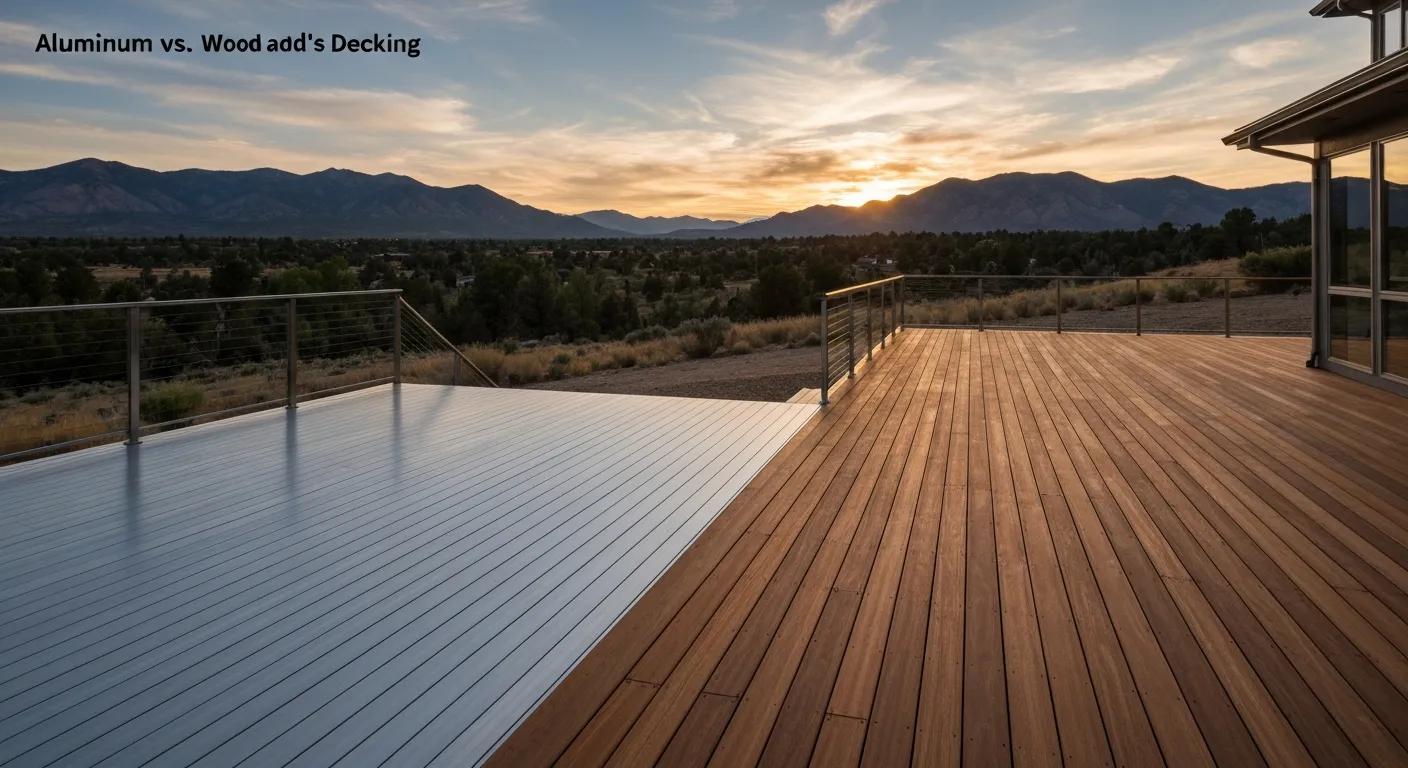
Choosing between aluminum deck panels and traditional wood decking affects how long your deck lasts, how much seasonal upkeep you’ll do, and how it performs around Colorado’s snow, strong sun, and wildfire risk. Below we explain what aluminum panels are, how they differ from pressure‑treated and natural wood, and why those differences matter for homeowners in Douglas and Arapahoe Counties. You’ll get clear definitions, realistic lifespan expectations, routine maintenance needs, cost tradeoffs, fire‑safety considerations, and Colorado‑specific installation tips so you can choose with confidence. Colorado Elite Outdoor Contractors — serving Highlands Ranch, Castle Rock, Parker, Centennial, and Aurora — shares local experience so you can turn this information into the right choice for your project. The sections that follow map material performance (durability, thermal behavior, snow/UV resilience), upkeep (cleaning and sealing), cost/value, and environmental and fire‑resistance factors into practical checklists and comparison tables for quick reference.
What Are Aluminum Deck Panels and Why They Work Well in Colorado
Aluminum deck panels are factory‑made boards or sheets formed from aluminum alloys, finished with protective coatings to fight corrosion and provide a low‑maintenance, non‑combustible walking surface. Because they’re engineered, aluminum panels hold their shape, won’t rot or attract insects, and can be finished with powder coatings or textured surfaces for traction. For Colorado homeowners, that means less seasonal maintenance, better resistance to freeze‑thaw damage, and improved fire safety for homes near the wildland‑urban interface. Below are the benefits that matter most in this climate and for local building priorities.
Aluminum decking delivers several clear advantages for Colorado homes:
- Durability: Corrosion‑resistant, non‑rotting panels that typically last for decades without structural decay.
- Low maintenance: Simple rinsing and occasional cleaning replace sanding, sealing, and frequent refinishing.
- Fire resistance: Non‑combustible materials lower the risk of deck ignition during fire season.
Those strengths make aluminum a strong choice where longevity, safety, and reduced seasonal work matter. Next we cover what to look for in panel construction and the features to request from manufacturers and installers.
How Aluminum Deck Panels Are Built and What to Look For
Panels are usually extruded or stamped from marine‑grade aluminum and then protected with powder coating or anodizing to keep color and finish longer. Manufacturers offer different board profiles, edge treatments, and anti‑slip textures to improve traction and appearance. Concealed clip systems and standard fasteners help create smooth walking surfaces and reduce trip hazards. The overall assembly — decking boards, clips, substructure connections — works with aluminum or steel framing and under‑deck drainage to form a unified system. These engineered parts offer predictable dimensions, rated load capacities, and UV‑stable finishes that reduce repair and refinishing needs. Knowing these features helps you specify panels that match the look and performance you want.
Why Aluminum Resists Decay, Needs Little Upkeep, and Handles Fire Risk
Aluminum resists corrosion naturally and gains extra protection from powder‑coat or anodized finishes that form a stable barrier against moisture and oxidation. It won’t rot or host wood‑destroying insects, and it tolerates freeze‑thaw cycles without the warping or splitting common in wood. Maintenance is limited to washing off dirt and winter salts — no staining or aggressive pressure‑washing to remove splinters. Importantly for Colorado properties, aluminum is non‑combustible: it won’t ignite or sustain flame like untreated wood, reducing one pathway for fire spread and often helping satisfy insurance or code preferences in higher‑risk areas. Next we compare these attributes with the strengths and tradeoffs of wood decking.
Wood Decking in Colorado — Strengths and Practical Challenges
Wood — from pressure‑treated lumber to naturally durable species — brings warmth, natural grain, and easy on‑site customization that many homeowners still prefer. It accepts stains and paints and can be less expensive initially, making it attractive for bespoke designs and DIY projects. But Colorado’s high UV exposure and freeze‑thaw patterns mean wood needs ongoing care: cleaning, sealing or staining every 1–3 years, and regular checks for rot, splinters, and corroded fasteners. That upkeep raises lifetime costs and effort and factors into fire‑risk planning for properties in vulnerable zones. The list below summarizes the main benefits and common tradeoffs of wood decking.
Wood decking offers familiar benefits and known tradeoffs:
- Aesthetic flexibility: Natural grain, stain choices, and unlimited on‑site customization.
- Lower initial material cost: Often less expensive up front than engineered metal panels.
- Repairability: Individual boards are relatively easy to replace when needed.
Knowing these tradeoffs helps you plan maintenance and mitigation. The next sections explain why homeowners still choose wood and what upkeep to expect in Colorado.
Why Homeowners Still Choose Wood
Wood’s natural look and texture connect strongly with outdoor spaces and allow extensive on‑site shaping for railings, benches, and built‑ins. Different species and pressure‑treated options balance cost and durability, and stains or sealants let you dial in color and sheen. Many choose wood for budget reasons or a custom appearance that’s harder to get with modular aluminum. With careful flashing and routine maintenance, wood can perform well for many years — but that performance depends on regular care and correct installation to control moisture.
Common Maintenance and Durability Issues for Wood in Colorado
Wood decks need a predictable maintenance plan: annual cleaning and inspections, and sealing or staining every 1–3 years depending on exposure and product choice. Colorado’s strong sun speeds surface breakdown and color fade, while repeated snowmelt and freeze‑thaw cycles can cause checking and rot at end grains and poorly detailed connections. Pest pressure is relatively low here, but untreated wood can still deteriorate where water stands or drainage is poor. Follow a seasonal checklist — spring cleaning and inspection, summer spot repairs, fall fastener and debris checks — to extend service life and avoid larger repairs.
Comparing Aluminum and Wood: Durability, Maintenance, and Cost
A side‑by‑side comparison answers the common question: “Which is better?” Focus on lifespan, upkeep, and total ownership cost over 20–30 years. Aluminum usually lasts longer and demands less maintenance; wood often costs less up front but requires recurring care. The table below summarizes typical lifespan, maintenance frequency, and how upfront costs compare with long‑term expenses so you can judge ROI in Colorado conditions.
| Material | Typical Lifespan | Maintenance Frequency | Upfront vs Long-Term Cost |
|---|---|---|---|
| Aluminum Decking Panels | 30–50+ years | Low — annual rinse, occasional cleaning | Higher upfront; lower lifecycle cost |
| Pressure-Treated Wood | 15–25 years | Moderate — clean annually, seal/stain every 1–3 years | Lower upfront; higher long-term cost |
| Natural Cedar/Redwood | 20–30 years | Moderate-high — frequent sealing and UV care | Mid upfront; moderate to high lifecycle cost |
The table shows how aluminum’s higher up‑front price often pays back through fewer repairs and longer replacement intervals. Local cost drivers — labor, engineered snow loads, and finish choices — still affect final pricing; request a local quote for numbers that match your site. Below we unpack lifespan, maintenance, and cost components with practical checklists.
Lifespan: What to Expect Over Decades
Aluminum decking systems commonly last 30 to 50+ years with quality finishes and professional installation. Wood decks, depending on species and maintenance, typically last 15–30 years before major replacement. That gap comes from material chemistry and vulnerability to moisture, UV, and biological decay. Installation quality, flashing, and substructure choices affect longevity for both materials, so consider corrosion‑resistant fasteners for wood and proper framing for aluminum when planning long‑term performance.
Maintenance: Time and Tasks Compared
Aluminum care is mostly simple: rinse annually, clear debris that traps moisture, and spot‑clean with mild detergent as needed. Wood needs a regimented schedule: annual inspections, periodic power‑washing or scrubbing, and sealing/staining every 1–3 years plus occasional sanding or board replacement for rot or splinters. Wood’s upkeep can mean several weekends of work per year or contractor bills, while aluminum usually requires only a few hours of attention across a year. Those differences translate directly into homeowner time and ongoing costs.
Costs: Upfront vs. Lifecycle Considerations
Aluminum panels generally cost more up front than basic pressure‑treated wood because of material and fabrication expenses, although high‑end wood options or complex wood designs can match or exceed aluminum pricing. Over a 20–30 year period, aluminum’s lower maintenance, fewer repairs, and delayed replacement often result in a lower total cost of ownership versus wood that needs repeated sealing, board replacement, and refinishing. Include these lifecycle items when comparing ROI:
- Material: boards or panels and finishes.
- Labor: installation complexity, substructure, and permits.
- Maintenance: cleaning supplies, staining/sealing, and repair labor.
- Replacement: expected intervals and disposal costs.
These factors show how a higher up‑front investment in aluminum can save money and hassle over the long run. For site‑specific advice, request a consultation and quote from a local installer familiar with Colorado conditions.
Fire Resistance and Environmental Impact: What to Factor In
Fire performance and environmental footprint increasingly shape material decisions in Colorado, where wildfire risk and sustainability matter. Aluminum is non‑combustible and highly recyclable, offering safety and circular‑economy benefits. Wood burns and is often treated with chemicals that carry environmental and disposal considerations. Comparing embodied energy, recyclability, and fire behavior helps you choose a decking material that matches your safety priorities and sustainability goals. The compact table below contrasts these attributes.
| Material | FireResistance | Recyclability / Environmental Note |
|---|---|---|
| Aluminum | Non-combustible — resists ignition and flame spread | High recyclability; can include recycled content |
| Pressure-Treated Wood | Combustible; treatments may change ignition behavior | Lower recyclability; chemical preservatives affect disposal |
| Natural Wood (Cedar/Redwood) | Combustible; slightly more resistant due to density | Biodegradable but limited recycling; harvesting impacts vary |
That table highlights aluminum’s advantage in fire‑prone areas and its environmental upside when recycled content and end‑of‑life recycling are considered. The next sections explain the mechanics behind aluminum’s fire resistance and the environmental tradeoffs homeowners should weigh.
Why Aluminum Is Safer Around Fire Than Wood
Aluminum doesn’t support combustion: it won’t ignite, burn, or create flaming embers the way wood can. While metal conducts heat and can become hot in sun, it won’t propagate flame across a decking surface, reducing one path for structure‑to‑structure fire spread. For properties near brush, specifying non‑combustible decking, ember‑resistant gaps, and non‑combustible fasteners can materially reduce ignition risk. Local codes and insurance underwriters increasingly favor non‑combustible materials in high‑risk areas, making aluminum an appealing option for risk‑conscious homeowners.
Environmental Considerations: Aluminum vs. Wood
Aluminum offers lifecycle benefits through high recyclability and the possibility of using recycled alloy, lowering the need for virgin extraction. Wood generally has lower initial embodied energy but often requires chemical treatments and repeat refinishing, which add environmental and health impacts over time. Aluminum’s longer service life also reduces how often material needs replacement. When sustainability matters, consider recycled content, expected replacement cycles, and the environmental cost of wood maintenance products in your decision.
How Each Material Performs in Colorado’s Climate
Colorado stresses decking with snowfall and melt cycles, strong UV, large daily temperature swings, and freeze‑thaw events. Aluminum resists water absorption and biological decay; wood soaks up moisture and expands and contracts, which accelerates wear without careful detailing. Designers and installers need to account for thermal expansion, snow shedding, and winter traction to keep decks safe and long‑lasting. The table below maps common climate stressors to material performance and recommended actions for Douglas and Arapahoe County homeowners.
| Material | Climate Stressor | Performance / Recommendation |
|---|---|---|
| Aluminum | Snow & Freeze-Thaw | Excellent — minimal moisture absorption; ensure proper slope and drainage |
| Aluminum | UV & Thermal Swings | Good — use UV‑stable coatings and allow expansion gaps |
| Wood | Snow & Freeze-Thaw | Vulnerable — needs drainage, good flashing, and frequent sealing |
| Wood | UV & Thermal Swings | Moderate — finishes degrade; regular re‑coating recommended |
This mapping shows aluminum’s resilience to moisture‑driven damage and wood’s need for preventive detailing. The following subsections cover specific behaviors and practical steps for each material in Colorado conditions.
Aluminum: Snow, Sun, and Temperature Swings
Aluminum sheds snow well when panels are properly sloped and drainage is integrated, and it won’t absorb moisture that leads to freeze‑thaw damage. Design for thermal expansion with recommended gaps and compatible clip systems, and choose UV‑stable powder coats to preserve color. Dark metal can run hot in direct sun, so lighter finishes, perforated panels, or shade help keep the surface comfortable. For winter traction, pick slip‑resistant textures, and consider heated surfaces or careful snow removal practices. Proper expansion detailing and drainage complete a resilient aluminum installation.
Wood: Colorado Climate Challenges
Wood decks face accelerated UV breakdown, checking, and rot risk if not proactively maintained in Colorado’s high‑UV, low‑humidity‑but‑freeze‑prone climate. Freeze‑thaw cycles concentrate stress at end grains and joints where water collects, making full sealing and correct flashing essential. Thermal movement can loosen fasteners and cup boards if moisture cycles aren’t managed. Good preventive steps — adequate slope, stainless or coated fasteners, and regular sealing — extend performance, but homeowners must commit to ongoing maintenance to keep a wood deck safe and attractive.
Why Colorado Elite Outdoor Contractors Is a Smart Choice for Your Deck
Colorado Elite Outdoor Contractors brings local installation know‑how to material selection and project planning. We combine craftsmanship with regional experience to help homeowners pick the system that fits their lot, exposure, and lifestyle. As a local team serving Highlands Ranch, Castle Rock, Parker, Centennial, and Aurora, we advise on snow‑load details, ember‑resistant construction for fire‑prone sites, and options like aluminum framing, under‑deck drainage, and complementary rail systems. The next section explains how our local knowledge reduces project risk and speeds permitting and inspections.
How Local Expertise Improves Your Deck Project
Working with a local contractor who knows Colorado codes, permit paths, and climate‑driven construction details delivers tangible benefits: correct snow‑load calculations, ember‑resistant design choices, and construction sequencing that reduces callbacks. Local crews understand which framing methods, flashing details, and drainage solutions work best in Douglas and Arapahoe County microclimates, and they can recommend aluminum panel profiles or wood species that match your exposure. That local knowledge shortens timelines, avoids rework, and helps align material choices with insurance and municipal expectations — meaning fewer surprises for you.
Customization and Craftsmanship From Colorado Elite Outdoor
We offer tailored design options — flexible layouts, rail styles, integrated lighting, and material pairings — while focusing on build quality and clear communication so your finished deck matches your goals. Our process includes a site assessment, material recommendations (aluminum or wood), and a defined scope that addresses drainage, thermal movement, and finish expectations for Colorado climates. Request a personalized estimate to compare materials, costs, and long‑term maintenance. A local site visit gives the most accurate quote and a chance to review sample finishes and construction approaches up close.
- Get a personalized estimate: A site visit identifies exposure and design needs.
- Compare lifecycle costs: Understand upfront vs. long‑term costs for aluminum and wood.
- Select materials and finishes: Review panel profiles, coatings, and railing options.
Frequently Asked Questions
1. What are the environmental impacts of using aluminum versus wood decking?
Aluminum is highly recyclable and can include recycled content, which lowers its lifecycle footprint. Wood may have a lower initial embodied energy, but chemical treatments and recurring maintenance products can add environmental and disposal impacts over time. Think about replacement intervals and the resources needed for upkeep when evaluating overall environmental costs.
2. How does the installation process differ between aluminum and wood decking?
Aluminum installation often uses specialized fastening systems and framing details and benefits from experienced installers. Wood can be more DIY‑friendly and easier to modify on site, but incorrect installation can trap moisture or lead to warping and premature failure. Consult professionals familiar with your chosen material to ensure proper techniques.
3. What are the safety considerations for aluminum and wood decking?
Safety matters. Aluminum is non‑combustible and commonly offered with slip‑resistant surfaces, which helps in wet or wildfire‑exposed areas. Wood can splinter, rot, or degrade if not maintained, creating hazards. Evaluate safety features in light of your environment and how you use the deck.
4. How do aluminum and wood decks perform in extreme weather conditions?
Aluminum performs very well in extreme weather: it resists moisture, doesn’t warp, and holds up under temperature swings. It’s also less vulnerable to UV degradation. Wood is more susceptible to moisture‑related problems like rot and warping, especially with Colorado’s freeze‑thaw cycles. Choose materials and details that match your climate stresses to ensure longevity and safety.
5. What are the long-term cost implications of choosing aluminum over wood decking?
Aluminum usually costs more up front but tends to have lower total ownership costs because of minimal maintenance and longer service life. Wood can be cheaper initially but often incurs ongoing costs for sealing, staining, and repairs. Calculate long‑term expenses — not just initial price — when making your decision.
6. Can aluminum decking be customized like wood decking?
Yes. Aluminum offers different colors, textures, and profiles, and can be finished with slip‑resistant coatings. While on‑site shaping options differ from wood, manufacturers provide a range of looks and details that let you achieve a tailored appearance. Talk to your contractor about available profiles and finishes.
7. What should homeowners consider when choosing between aluminum and wood decking?
Consider your climate, how much maintenance you’re willing to do, safety priorities, the look you want, and your budget. Aluminum is ideal for low maintenance and fire resistance; wood delivers a classic look but requires more upkeep. Weigh personal preferences, site exposure, and long‑term costs to choose the best fit for your property.
Conclusion
For many Colorado homeowners, aluminum offers a compelling mix of long life, low maintenance, and improved fire safety — all important in our climate. Wood still has strong aesthetic appeal and can work well with diligent maintenance and correct detailing. The right choice depends on your priorities: appearance, ongoing upkeep, safety, and long‑term cost. If you’re weighing options, we’re happy to walk your property, review material samples, and provide a localized estimate so you can move forward with confidence. Contact Colorado Elite Outdoor Contractors today to start planning a deck that fits your home and lifestyle.


